Ivy League Basketball Tournament: Why It’s Broken and What Needs to Change


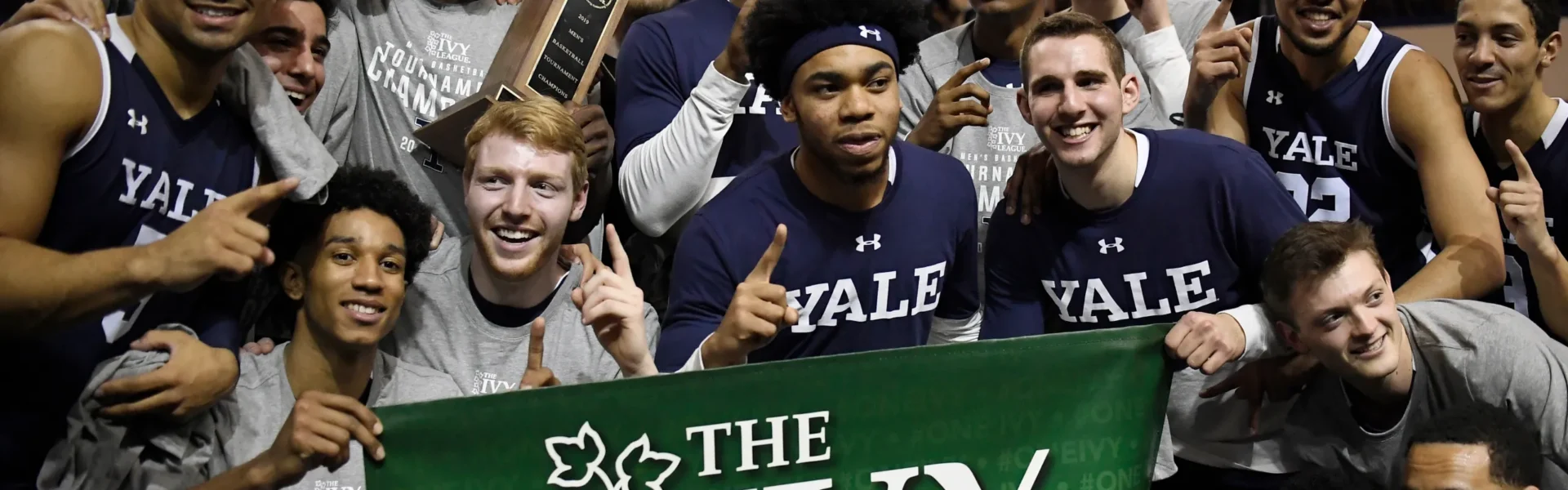
.For decades, Ivy League basketball followed a purist model: the team with the best regular-season record earned an automatic bid to the NCAA Tournament. No postseason drama, no unnecessary spectacle—just a reward for consistent excellence. But that changed in 2017 when the league introduced a four-team Ivy League Tournament. While the goal was modernization, the result has been controversy, inconsistency, and a diminished regular season.
The History of the Ivy League Tournament
Before 2017, if two teams tied atop the Ivy League standings, they would face off in a one-game playoff to determine the NCAA Tournament bid. This method, though simple, honored the integrity of the league’s academic-first philosophy and regular-season excellence.
But the current four-team format introduces a rotating host site and single-elimination drama—turning the postseason into a gamble. Most surprisingly, the host school doesn’t even need to qualify. In 2024, the event was held at Columbia University, a team that finished last in the standings. What does that say about the importance of performance?
Internal Read: Athletes as Brands: How Sports Figures Became Cultural Icons
What’s Wrong With the Ivy League Tournament?
1. It Devalues the Regular Season
The Ivy League once stood apart by valuing academic integrity and sustained performance. Letting a fourth-place team ride a hot streak for two days to steal a bid from a dominant regular-season squad is unfair—and it erodes trust in the system.
Related: What NIL Is Doing to College Sports
2. Poor Logistics
Unlike the Big Ten or ACC, which host tournaments in neutral NBA-style arenas, Ivy League schools rotate venues among campus gyms—often leading to low attendance, limited broadcast value, and travel chaos for fans and families.
3. Unfair Structure
A No. 1 seed gains no true advantage. Why should a team that went 12-2 in conference risk its entire season against a team it beat twice? The format does nothing to reward dominance or consistency.

The NIL Factor: Another Ivy League Blindspot
The Ivy League still prohibits athletic scholarships and maintains restrictive Name, Image, and Likeness (NIL) policies—putting its athletes at a disadvantage compared to peers in the SEC, Pac-12, or even mid-majors.
While other conferences adapt, Ivy League athletes face outdated rules that limit their ability to profit from their personal brands. It’s a missed opportunity in the modern college basketball era.
Should the Ivy League Adapt?
The question remains: stick to tradition or evolve with the rest of college basketball?
If the Ivy League hopes to maintain relevance, it must either:
- Restructure the tournament to reward regular-season success
- Or eliminate it altogether and return to the old system
Other mid-major conferences like the Missouri Valley and Atlantic 10 have found ways to balance competition and integrity. Why can’t the Ivy League?
Internal Links You Might Like
- Top 25 Most Influential Hip-Hop Albums
- 10 Rising Fashion Brands Redefining Streetwear
- TSA Eliminates Shoe Removal at Airports
Author