
Athletes have always captured the interest of people. Long before television and the internet, athletes would be heroes in their towns or countries. Today, they are everywhere you look—on your phone, social media, movies, ads, and even in video games (EA Sports).
How did these people with amazing talents in sports become more than just players? How did they turn into legends that shape culture, fashion, and even how people talk and act?
Let’s look at how athletic stars became much greater than their stats or scores. They turned into brands, then they became cultural icons.
From Playing Fields to Billboards
Many decades ago, top athletes were only famous if you read about them in newspapers or heard their names on the radio. But fame was often short-lived, and athletes were mostly known only by people who watched their games.
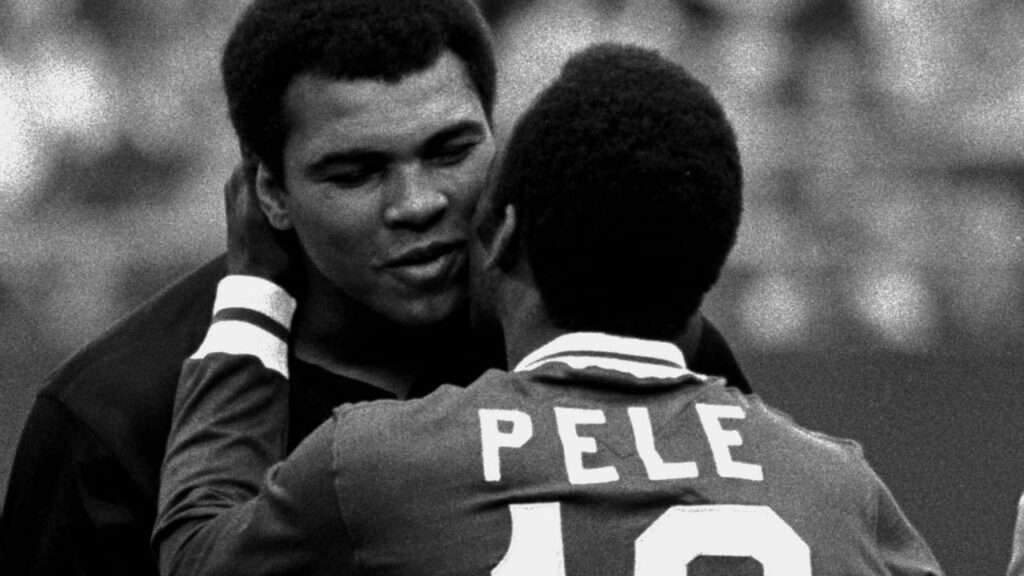
Then TV brought people like Muhammad Ali, Pelé, and Billie Jean King into people’s homes.
As television grew, more companies noticed that people loved these athletes. They began featuring sports stars in advertising, believing the love and respect fans felt toward them would drive product sales.
Athletes started appearing on cereal boxes, soft drink commercials, and lunchboxes. Kids wanted to wear the same sneakers as their favorite basketball player or use the same tennis racquet as their hero.
Building a Personal Brand
People started seeing athletes as more than just players. Stars like Michael Jordan, Serena Williams, and David Beckham stood out.
Companies saw a big chance here. They understood that these athletes had “personal brands”—their own unique habits, looks, and messages.
So what made these personal brands so valuable?

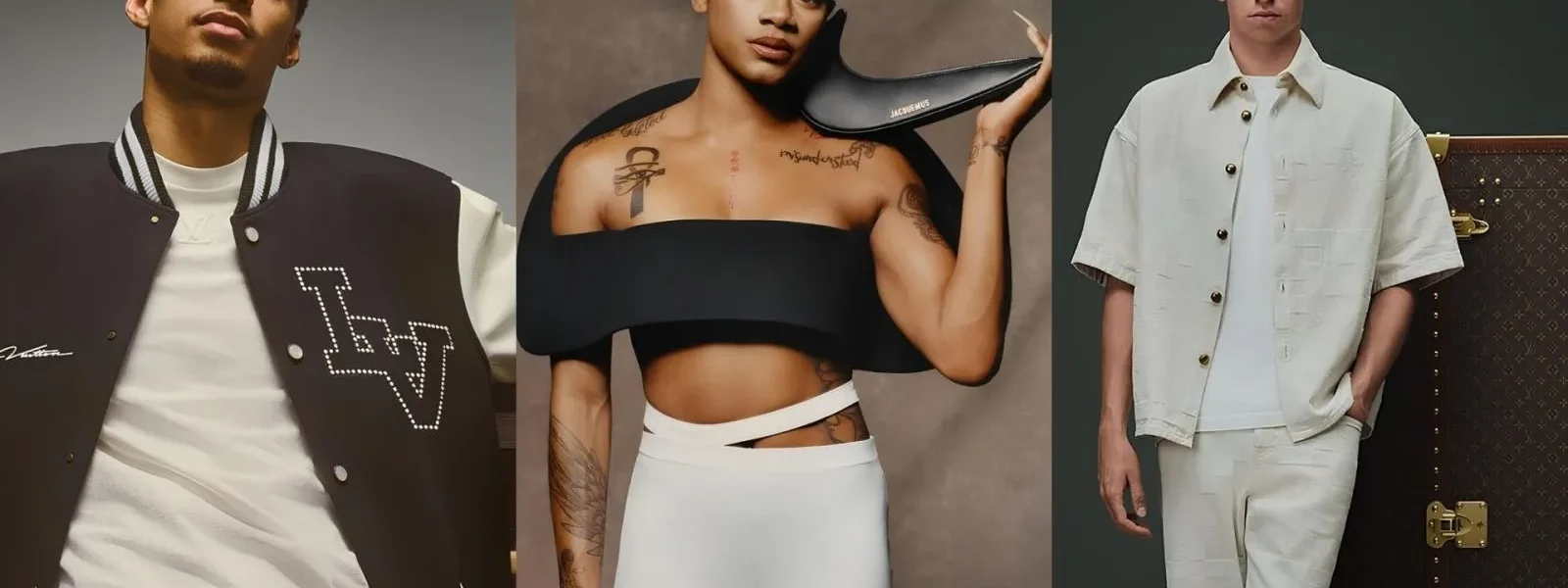
- Style: Everything from how an athlete wears their shorts to their signature hairstyle can turn into a trend.
- Attitude: Some athletes became known for never giving up, while others stood out for being fun and joyful.
- Stories: Fans often connect to personal stories of athletes overcoming obstacles or showing kindness.
These elements are stronger when they are real and not made up. People notice the difference between someone pretending and someone being genuine.
Read More: How Fashion and Sports Collide in Streetwear Culture
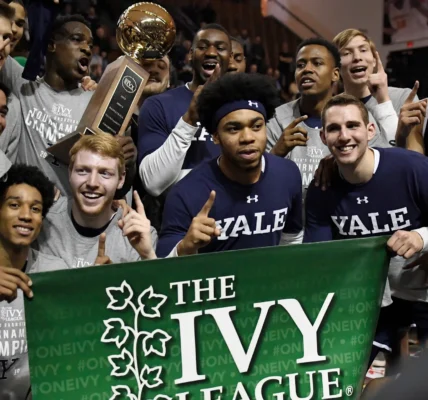
Read More: Look at where athlete influence starts, check out our breakdown of Ivy League Hoops

Why Athletes Become Cultural Icons
What’s the difference between being a famous athlete and being a cultural icon?
A famous athlete wins games and breaks records. An icon changes how people think, dress, and act—even if they don’t care about the sport.
Think about Michael Jordan. He didn’t just win basketball games. He redefined sneaker culture. Or Serena Williams—she hasn’t just won tennis matches; she has started global conversations about women, race, and body image in sports.
It’s not only about winning. It’s about influence.
How Social Media Changed the Game
With platforms like Instagram, YouTube, and TikTok, athletes can now speak directly to fans. A single post from someone like Naomi Osaka or LeBron James can reach millions instantly.
This power helps athletes create their brands much faster.
Some show workouts or meals; others support causes like sustainability or kindness. Fans feel like they know the person behind the jersey, not just the stats.
Explore More: The Influence of Athletes on Gen Z Social Media Habits
Explore More: Remy Cofield’s transition from the Celtics to Arkansas
The Business Side: Endorsements and Partnerships
Athletes with strong personal brands often land lucrative deals. Their names become attached to products and ideas.

Examples include:
- A swimmer promoting hydration with Hydro Flask
- A soccer player endorsing healthy snacks
- Basketball stars like Steph Curry promoting tech wearables and drinks
In fact, many athletes now earn more from endorsements than from playing the sport itself.
Also Read: Top 10 Athlete Brand Deals of the Year
Athletes and Social Change
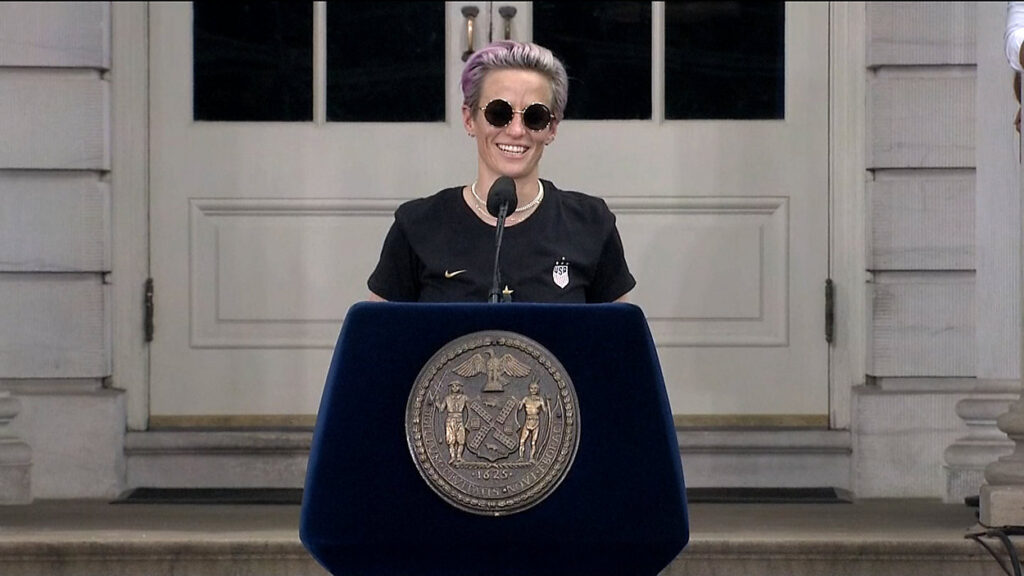
Some athletes use their platform for more than fame.
LeBron James started a school for at-risk youth. Megan Rapinoe fights for equal pay.
Their reach goes far beyond fans of basketball or soccer. These figures shape conversations around justice, equality, and leadership.
In Case You Missed It: When Sports Meet Activism
Why Do Fans Connect So Deeply?

Why do fans:
- Wear a jersey with a player’s name?
- Buy signature shoes?
- Follow every post from a swimmer?
It’s about:
- Feeling close to those they admire
- Sharing similar struggles or dreams
- Wanting to emulate their heroes
Icons represent more than talent—they represent hope and identity.
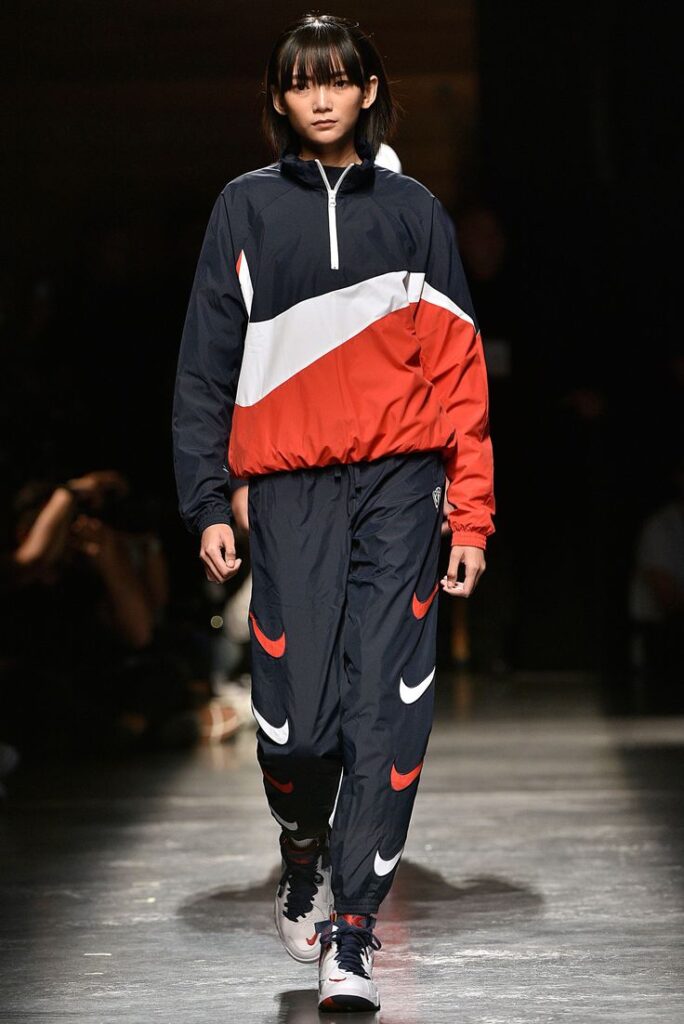
How Athletes Shape Trends and Culture
When an athlete debuts a jacket or catchphrase online, trends follow.
Younger fans, in particular, are quick to mimic stars. Brands know this. That’s why they invest so heavily in influencer-athlete partnerships.
Further Reading: 5 Fashion Trends Launched by Pro Athletes
The Next Generation of Athlete Icons
New stars are rising fast. They’re learning about branding, digital image, and global influence before they even turn pro.
They come from all over the world, bringing diverse stories and fresh ideas.
Feature Spotlight: 10 Rising Athletes Who Are Building Global Brands
Key Takeaways
- Athletes become cultural icons through story, style, and social reach.
- Their voice shapes industries from fashion to social change.
- Fans connect deeply with authenticity, not just performance.
Frequently Asked Questions
Q1: Can anyone become a cultural icon as an athlete?
Not all athletes become icons, but those who have unique stories, real personalities, and connect with fans on deeper levels are more likely to grow in fame outside sports.
Q2: Do athletes have to win lots of awards to be an icon?
Winning helps, but it’s not everything. Many icons are remembered for their influence, character, and what they represent.
Q3: How do athletes protect their brand?
They often work with PR teams and agents, control their messaging, and align with companies that match their values they share online, and choose carefully which companies to work with. They also focus on being authentic so fans trust them.
Author